Timber (pole-and-rail)
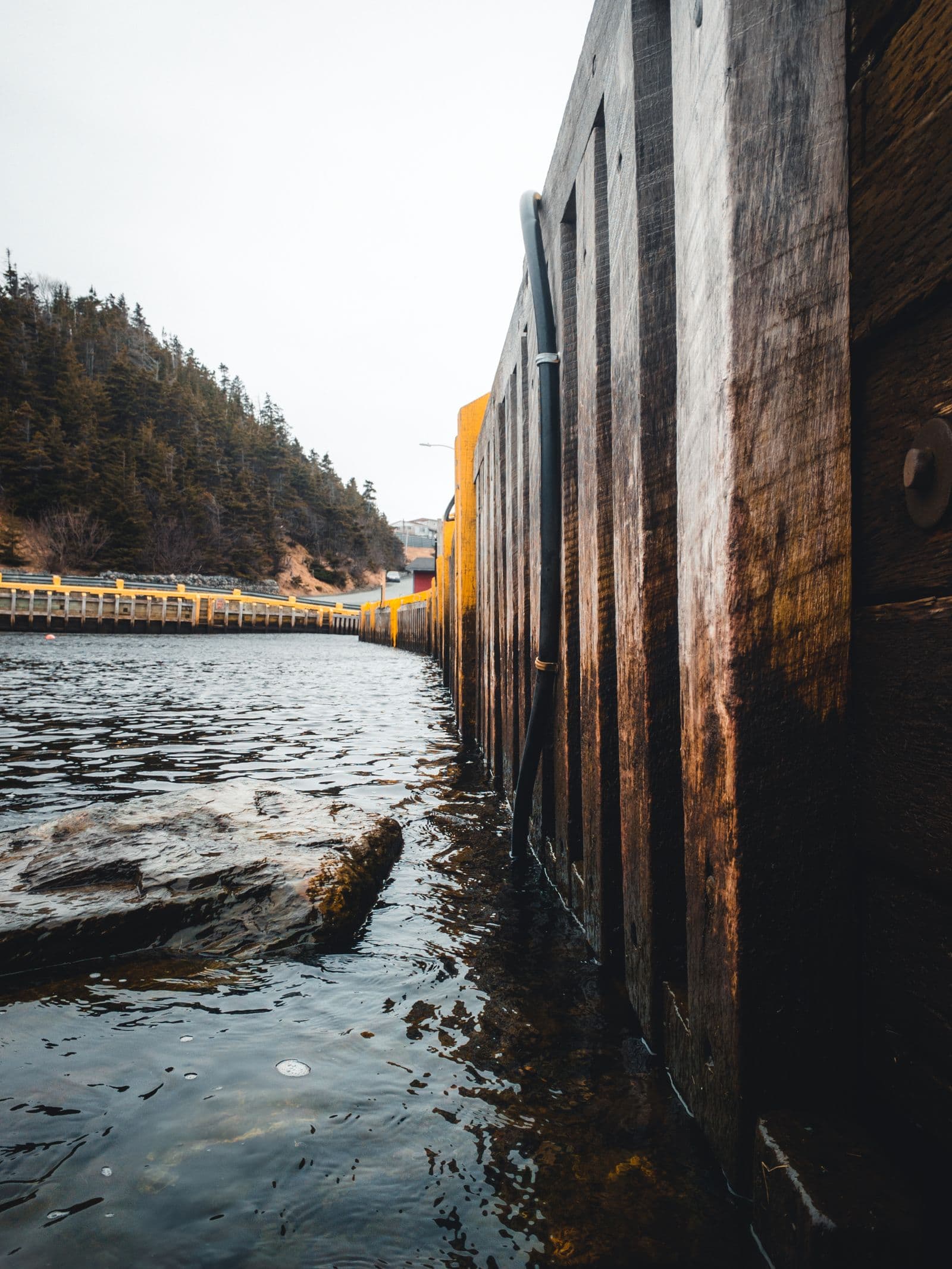
A traditional timber retaining wall - treated posts with rails behind them - is the most affordable option and the one most people picture. It suits lifestyle blocks, gardens and lower banks, goes up quickly, and looks natural against a rural section. Use properly treated timber (H4 or H5 for in-ground use) and it lasts; skimp on the treatment or the drainage and it won't.
- Best for - gardens, lifestyle blocks, lower walls
- Pros - most affordable, natural look, quick to build
- Watch for - timber treatment level and drainage behind it
Timber sleepers
Sleeper walls - stacked timber sleepers held with posts - are a tidy, popular choice for garden terraces and low-to-medium walls. They're quick, look clean and modern, and sit at a similar price point to pole-and-rail. Like any timber wall, the treatment grade and the drainage decide how long they last.
Concrete block
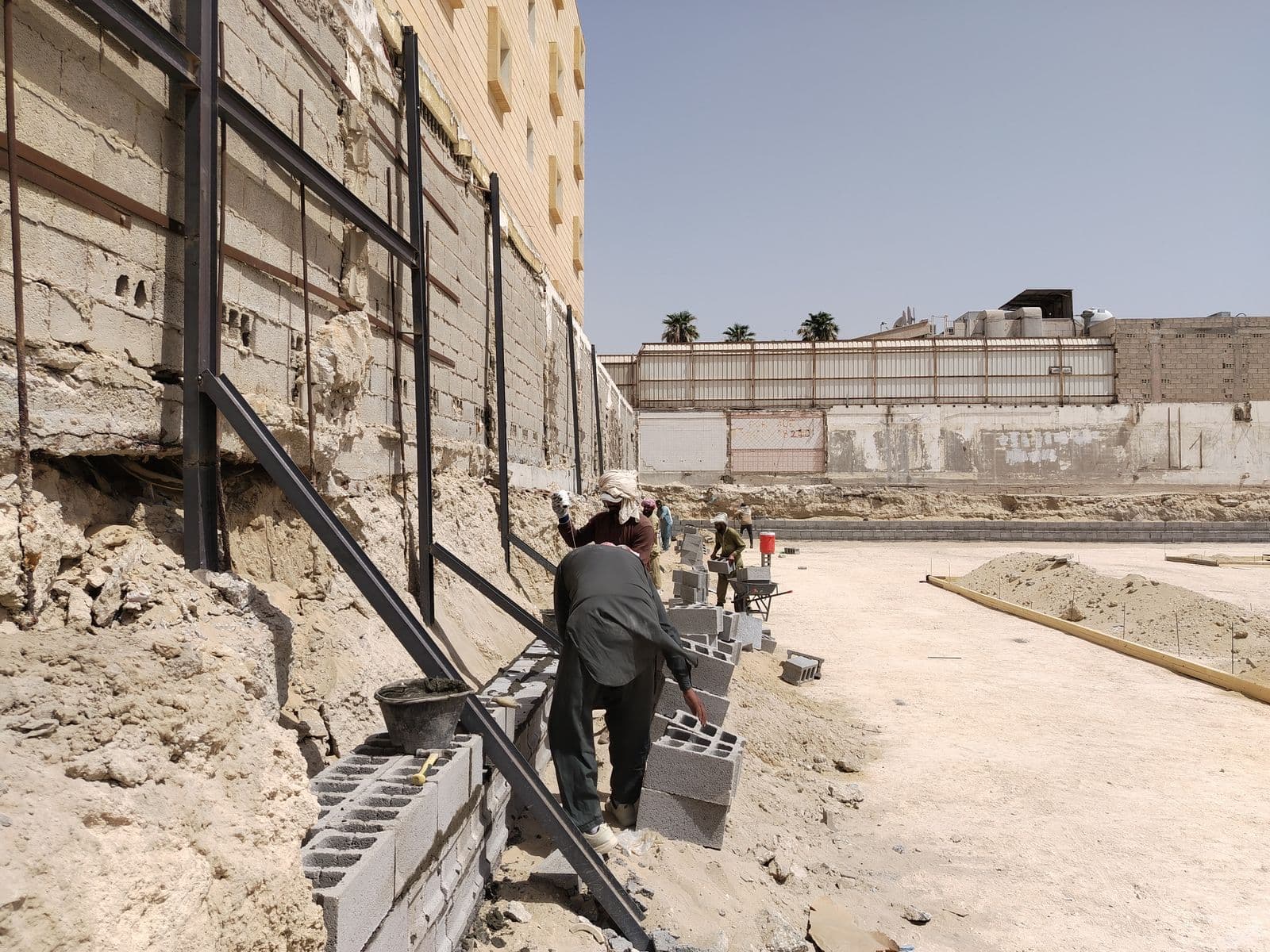
Interlocking or reinforced concrete block walls are stronger and tidier than timber, and they're the go-to when a wall needs more height or a more formal finish. They cost more than timber but handle bigger loads, and there's a range of colours and textures. For anything tall or holding back a driveway, this is often where you start.
- Best for - higher walls, formal finishes, bigger loads
- Pros - strong, tidy, long-lasting, lots of finishes
- Watch for - needs proper footings and often engineering
Poured concrete & crib walls
For the big jobs - subdivisions, driveways cut into a slope, or anything holding back a serious bank - poured concrete and crib walls do the heavy lifting. They're engineered, they're the most expensive per metre, but they're built to hold. This is the kind of retaining we do for subdivides and larger rural earthworks.
How to choose
It comes down to four things: how high the wall is, what's loading the top of it, the look you want, and your budget. As a rough steer - timber and sleepers for lower garden and lifestyle-block walls, concrete block as you go higher or want it tidier, and engineered poured concrete for the tall, load-bearing jobs. Any wall over 1.5m, or one with a surcharge above it, needs engineering and usually consent. Tell us the site and what you're trying to hold, and we'll recommend the right build - see our retaining wall cost guide for the numbers.
This guide is general information, not a quote - every job is different. For advice on your project, get in touch and we'll give you a straight answer and a clear price.