What counts as a minor dwelling
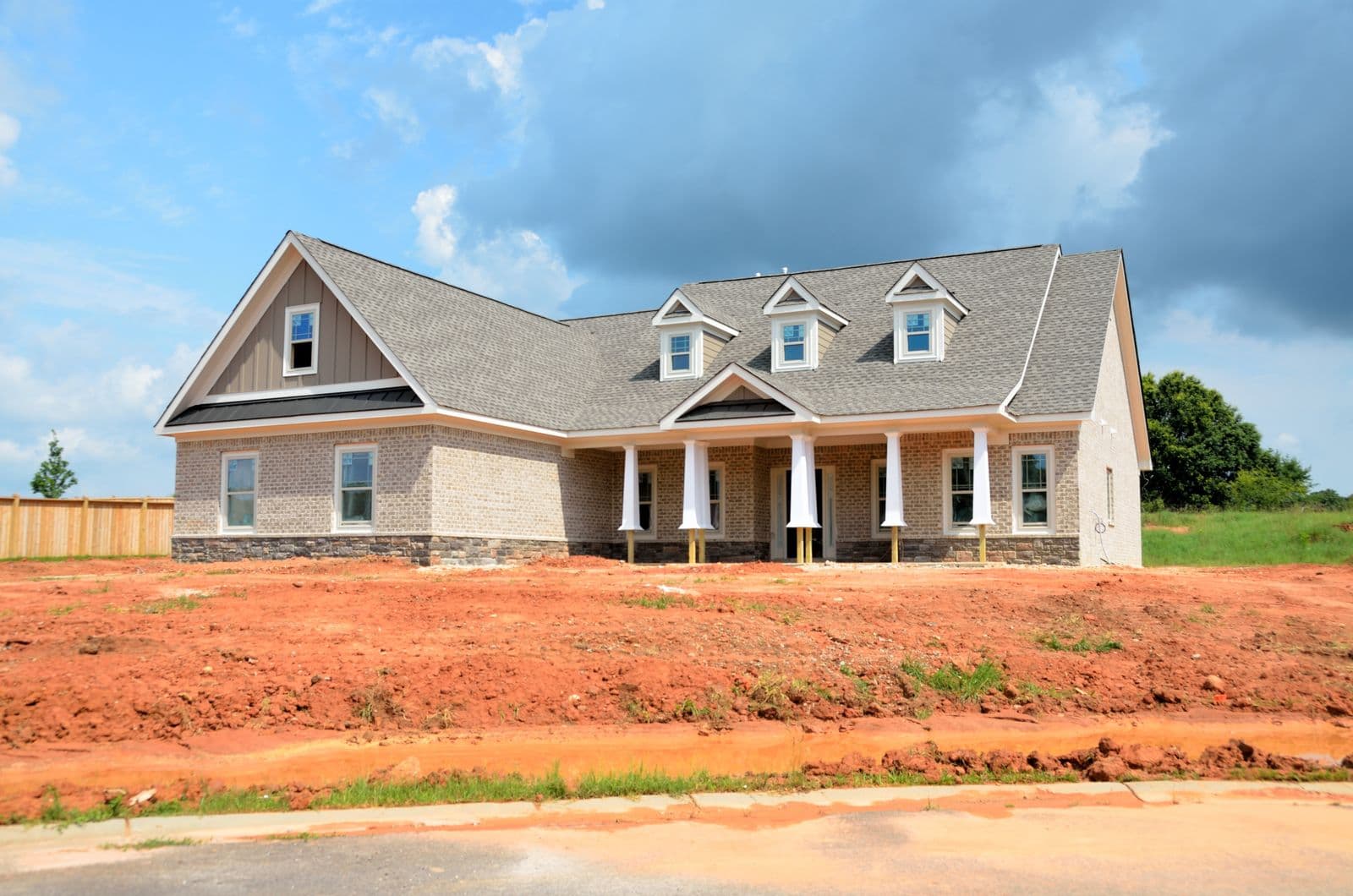
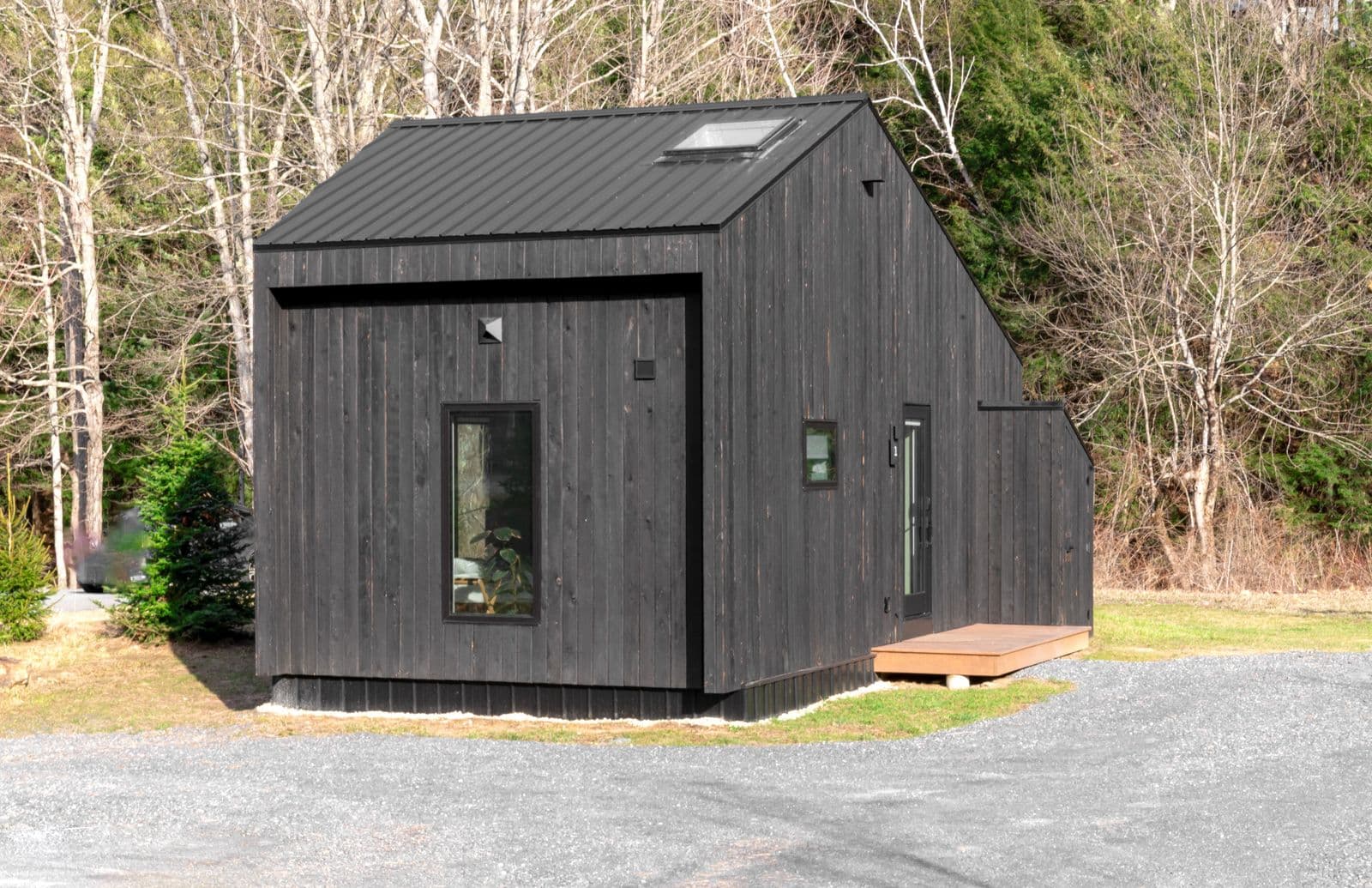
A minor dwelling (sometimes called a second dwelling, granny flat or self-contained unit) is a smaller, fully self-contained home on the same title as your main house - its own kitchen, bathroom, living and sleeping space. It's more than a sleepout, which usually can't have its own kitchen.
The rules depend on your block
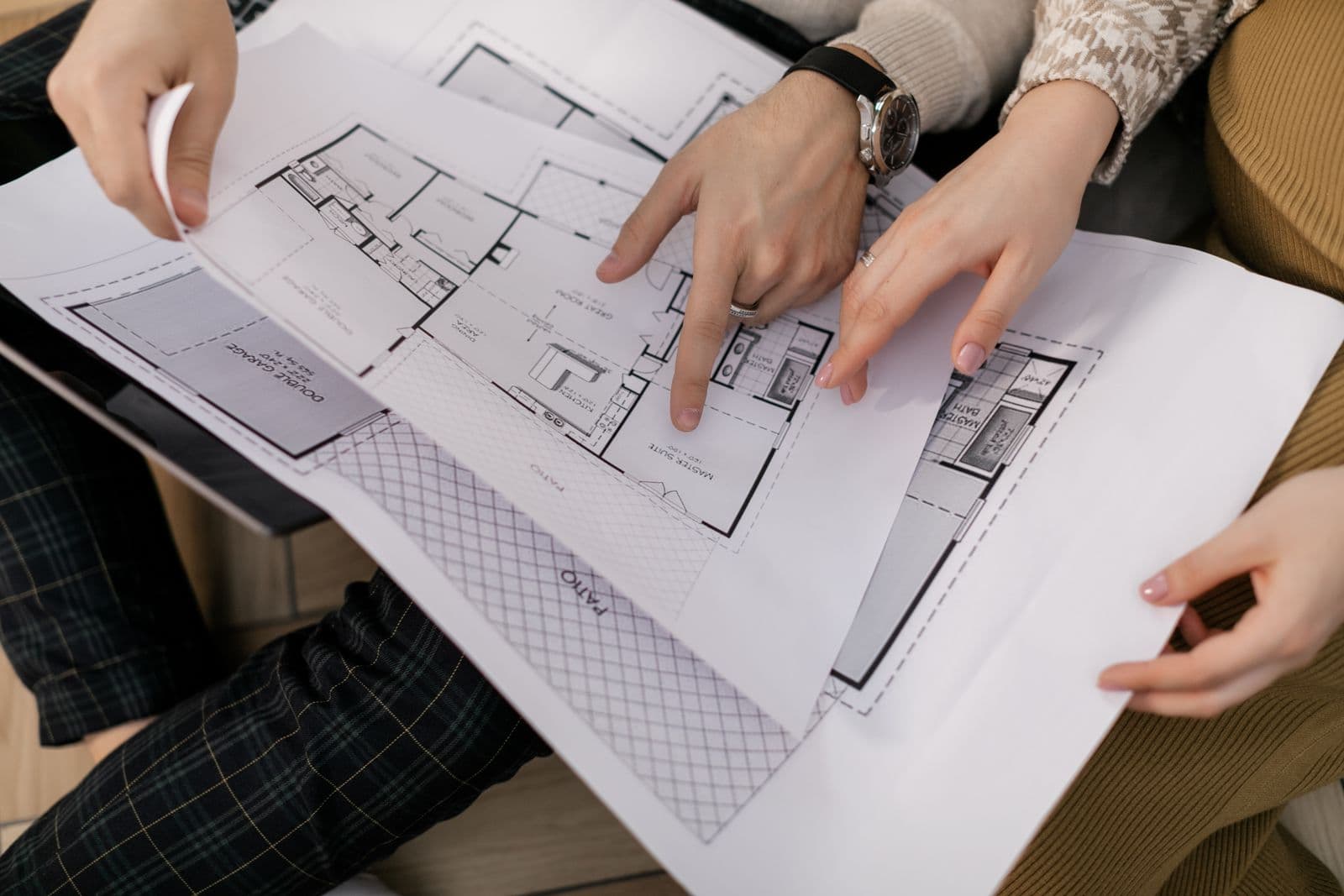
What you're allowed to build depends on your zone and your council's district plan. In the Waikato that could be Waipā District (Te Awamutu, Cambridge, Kihikihi), Ōtorohanga District, Waikato District, Matamata-Piako or Hamilton City - and each has its own rules on floor area, height, setbacks and how many dwellings a site can carry.
Rural and lifestyle-zoned blocks often have more room to move than tight town sections. Before you get too far down the track, it's worth checking exactly what your site allows - we can help you sort that out.
What a minor dwelling costs
As an indicative guide, a good-quality minor dwelling in the Waikato typically runs from around $200,000 to $400,000+ depending on size, spec and site. Because it's a complete little home - foundations, services, kitchen and bathroom all included - the per-m² cost is often higher than a big house, where those fixed costs are spread across more floor area.
It's still one of the best-value ways to add usable space and income to a property. We'll give you a clear price for your site and design.
Why people build them
The two big reasons: family and income. A minor dwelling keeps ageing parents or older kids close but independent, or earns a steady rental return that helps pay off the mortgage. On rural blocks they also house farm staff or give you a comfortable base while the main house is being built or renovated.
This guide is general information, not a quote - every job is different. For advice on your project, get in touch and we'll give you a straight answer and a clear price.